

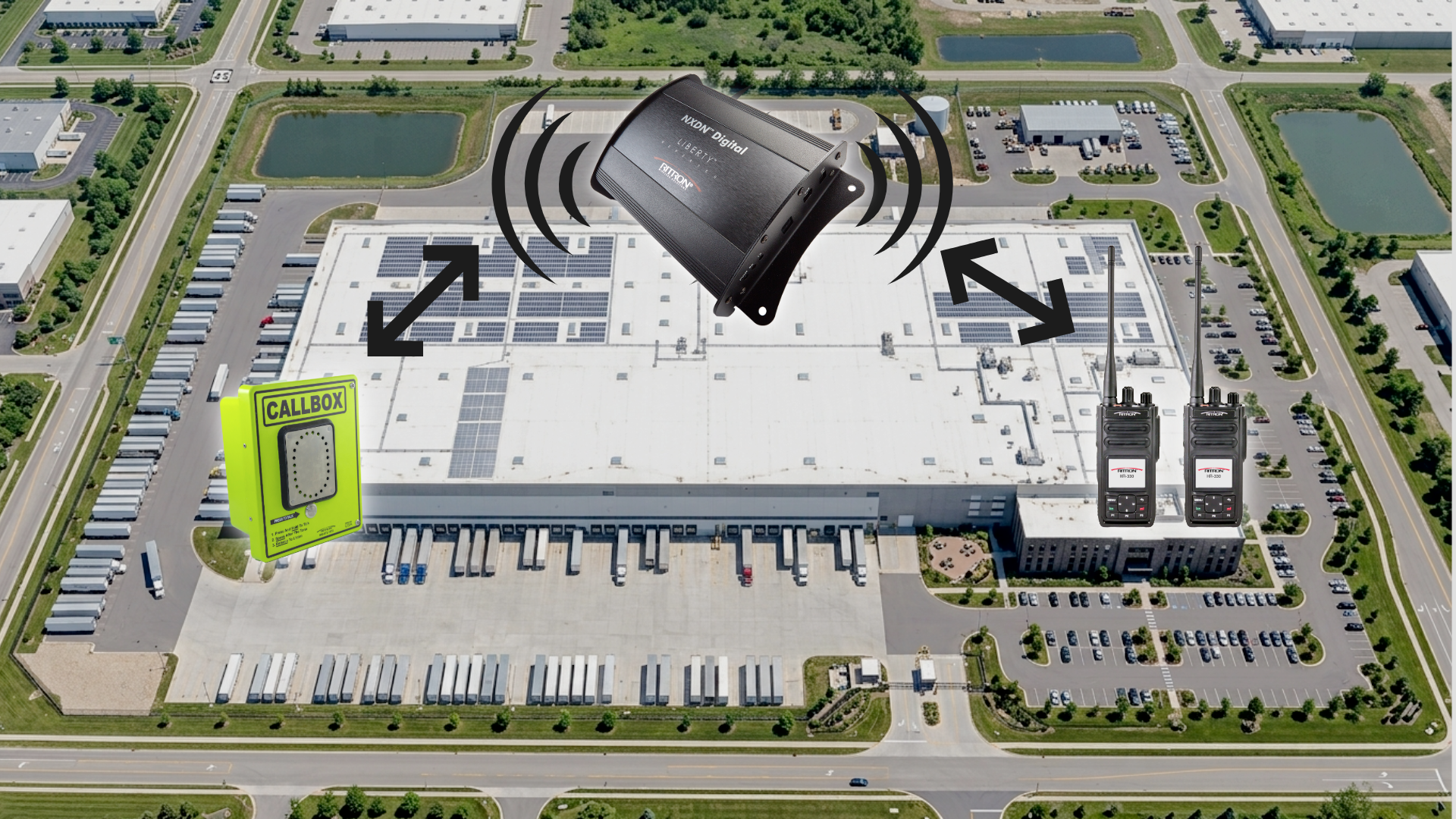
Better radio coverage doesn’t have to cost more!
We hear it all the time. Someone walks into another building, and suddenly they’re out of range. A supervisor can’t reach someone on the other side of the property. A dead spot keeps showing up in the same corner of the building. What started as an occasional inconvenience becomes a problem your team must work around daily – the problem gets “normalized”. Don’t normalize poor communications.
That’s when a radio repeater enters the conversation.
A repeater can extend the range of your radio system and help eliminate those frustrating gaps in coverage. But once you start looking at repeaters, it’s easy to assume that solving a coverage problem means buying the most powerful repeater you can find… and that can be an expensive mistake.
More Repeater Power Isn’t Always Necessary
Radio Repeaters are available at a range of transmit power levels, often ranging from 2 watts to as much as 50 watts. While higher-powered models can be necessary for applications requiring extensive coverage, most operations don’t actually need that much output.
Think about the area your team needs to cover. Are you trying to improve communication throughout a facility, connect employees across a property, or eliminate dead spots in a specific area? Depending on your environment and coverage requirements, a repeater with 2 watts can be more than enough output.
What Determines the Radio Coverage You Need?
Wattage is one factor in repeater performance, but it isn’t the only one. Understanding your operating environment can help you make a better-informed decision.
Coverage Area: Consider the buildings, grounds, and distances your team needs to cover. A localized facility has different requirements from a system spanning a large geographic area.
Buildings and Obstacles: Concrete walls, metal structures, machinery, and other obstructions can weaken radio signals and create coverage gaps.
Terrain and Elevation: Hills, changes in elevation, and the surrounding landscape can influence signal propagation.
Antenna Placement and Antenna Cable: Antenna height and location can significantly affect coverage as well as the type of antenna cable being used, especially if the cable length exceeds 25ft. A well-planned installation, optimal antenna placement, and minimal cable run can make all the difference in system performance. It is recommended to use a high quality, low-loss LMR cable (i.e. LMR-400) equipped with crimped and fitted connectors.
Radio compatibility: Your radio repeater must support the technology your radios use, whether Analog, DMR, or NXDN.
Considering these factors together helps you understand what may be causing coverage problems and what type of repeater is appropriate for your application.
Best Repeater Options for Your Radio System
Ritron offers full-duplex UHF repeaters that are designed to extend radio communications across a variety of commercial and industrial environments.
Available models include:
- 2-Watt Analog Repeater
- 5-Watt Analog Repeater
- 10-Watt DMR Digital Repeater
- 10-Watt NXDN Digital Repeater
All Ritron Radio Repeaters are designed and manufactured in the USA.
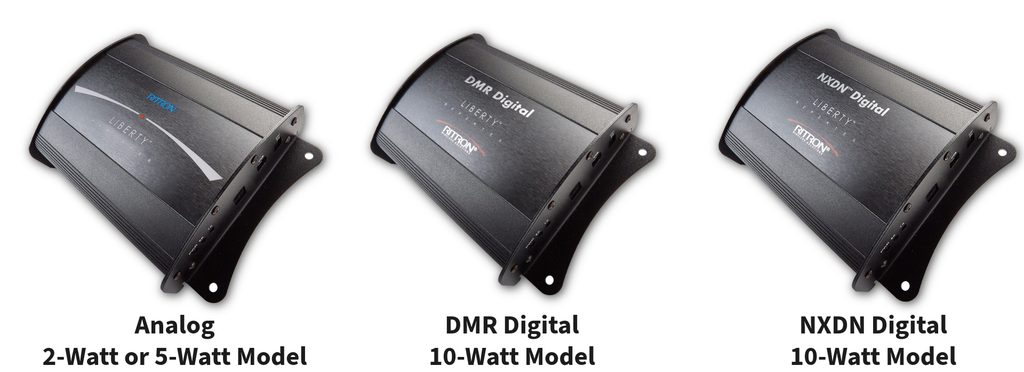
Whether you’re running an established analog radio system or using digital radios, Ritron offers options to fit different communication needs. Full-duplex operation allows the repeater to receive and retransmit signals simultaneously, helping seamlessly extend the reach of compatible radios.
With multiple models available, Ritron makes it easy to find a cost-effective repeater that fits your radio system and the coverage you’re looking to achieve.
Where Ritron Radio Repeaters Have Made a Difference
From large indoor facilities to sprawling outdoor properties, radio repeaters help teams stay connected when direct radio communication doesn’t reach far enough.
Manufacturing and Warehousing: Heavy machinery, metal shelving, and large building layouts can block radio signals, leaving employees unable to reach coworkers in certain areas. A properly positioned repeater can help extend coverage across the facility.
Schools and Campuses: School staff need to communicate across classrooms, hallways, multiple buildings, athletic fields, and parking lots. A repeater can help extend radio coverage indoors and outdoors, helping staff stay connected across campus.
Camps and Recreational Properties: On sprawling properties, staff may lose contact while moving between buildings, activity areas, and remote sections of the grounds. A repeater can help extend radio coverage across those outdoor spaces.
Construction Sites: Buildings under construction, equipment, and changing site layouts can create obstacles for radio signals. Building height and the location of crews can also affect coverage, making repeater placement an important part of keeping teams connected.
Find the Right Solution for Your Operation
You shouldn’t have to invest in more repeater power than your operation requires to solve your radio coverage problems. The key is finding a solution that provides the coverage you need at a cost that makes sense for your business.
Ritron’s Full-Duplex UHF Radio Repeaters offer 2-Watt and 5-Watt Analog options, along with 10-Watt DMR and NXDN digital models, giving you cost-effective solutions for a variety of radio systems and applications.
Ready to stop normalizing poor communication and solve those coverage gaps?
Contact Ritron to discuss your application and find the right repeater for your needs.